

AI subtitling for events in the UK has crossed the quality line. Live captions are now accurate enough for corporate use. Better still, they cost far less than stenography. So captions are now the baseline, not the upgrade. The craft sits in deployment. That means word lists, display design, latency and human checks. Here is how we run it, what it costs, and where the limits still sit.
Why Captions Serve Everyone
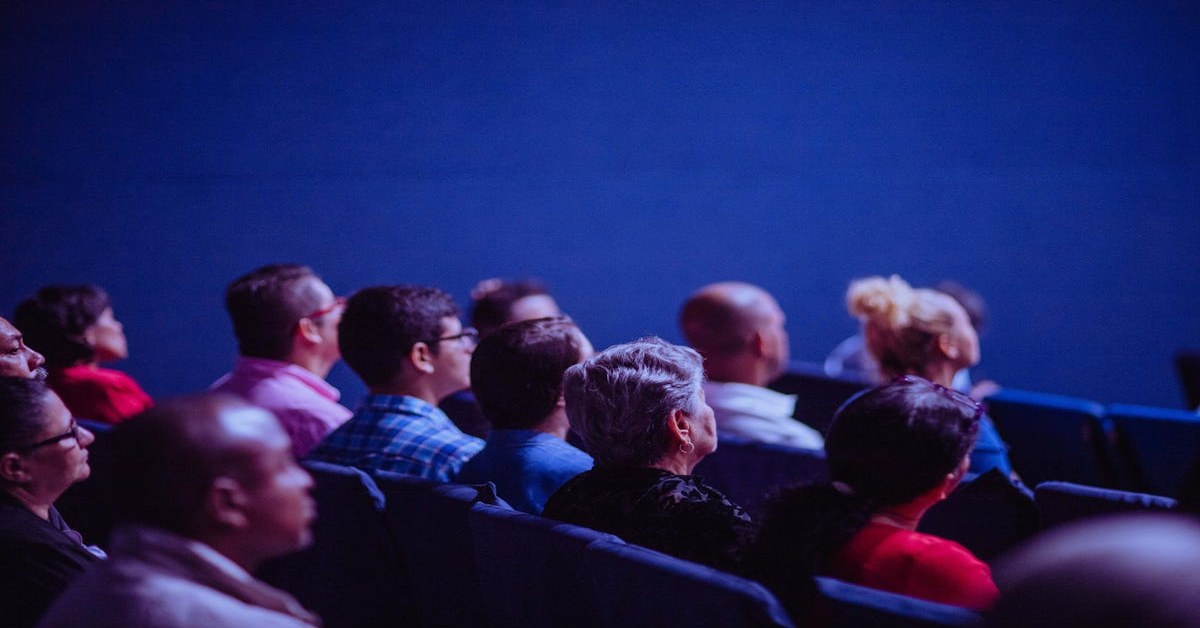
Deaf and hard-of-hearing delegates come first. Roughly one in five UK adults has some hearing loss. Then everyone else benefits too. For example: non-native speakers, viewers in noisy rooms, and remote attendees watching muted. Also, transcripts make clip harvesting instant. In short, accessibility and reach are the same investment.
Deploying AI Subtitling Well
Word lists come first. So load speaker names and product terms in advance. This is where AI captions win or fail. Next, design the display with the AV team. Size, position and stream styling all matter. That conversation sits in our AV and video seam guide. Then tune latency, since two to four seconds is normal. Finally, keep an operator watching on sensitive content. Again, the mechanics-plus-judgement model applies.
Translation: The Multiplier
The same tool delivers live translated captions in parallel languages. For international conferences, that is transformative. However, add a native speaker for legal sessions. AI translation is fluent before it is exact. Multi-language streams pair naturally with the hybrid formats where global audiences live.
AI Captions or Human Stenography?
Both have a place. AI captioning now handles most corporate events well, provided you prepare word lists and keep an operator watching. It also scales cleanly across parallel rooms and languages.
However, human stenography still suits court proceedings, regulated hearings and anything where a verbatim legal record matters. It also pairs well with BSL interpretation, where accuracy under pressure is non-negotiable.
For post-event captioning of session videos, AI wins outright. The volume makes anything else impractical, and hand-checking the output takes a fraction of the time transcription used to.
Frequently Asked Questions
How accurate is AI captioning live?
With word lists and clean audio, above 95 percent on clear speech. Names and jargon remain the risk. So prepare, and keep an operator watching.
Do UK events legally require captions?
The Equality Act asks for reasonable adjustments. In practice, captions are now the expected baseline for public events.
Can captions appear on screens and stream at once?
Yes, simultaneously, styled per output. Indeed, that routing is part of our standard setup.
Caption Everything, Properly
We build AI captions, word lists and oversight into any production. So talk to us.
