

Here is the number that should change how you brief your next event. The average B2B video has shrunk from 168 seconds in 2024 to 76 seconds in 2026, according to Whitehat video marketing benchmarks. Meanwhile, captions lift completion rates by 80 percent, per Rev.com 2026 research. So the old model fails twice over. A three-minute highlight reel, delivered three weeks late, without captions, now misses on length, timing and format at once. This guide sets out what replaces it, with the numbers behind each choice.
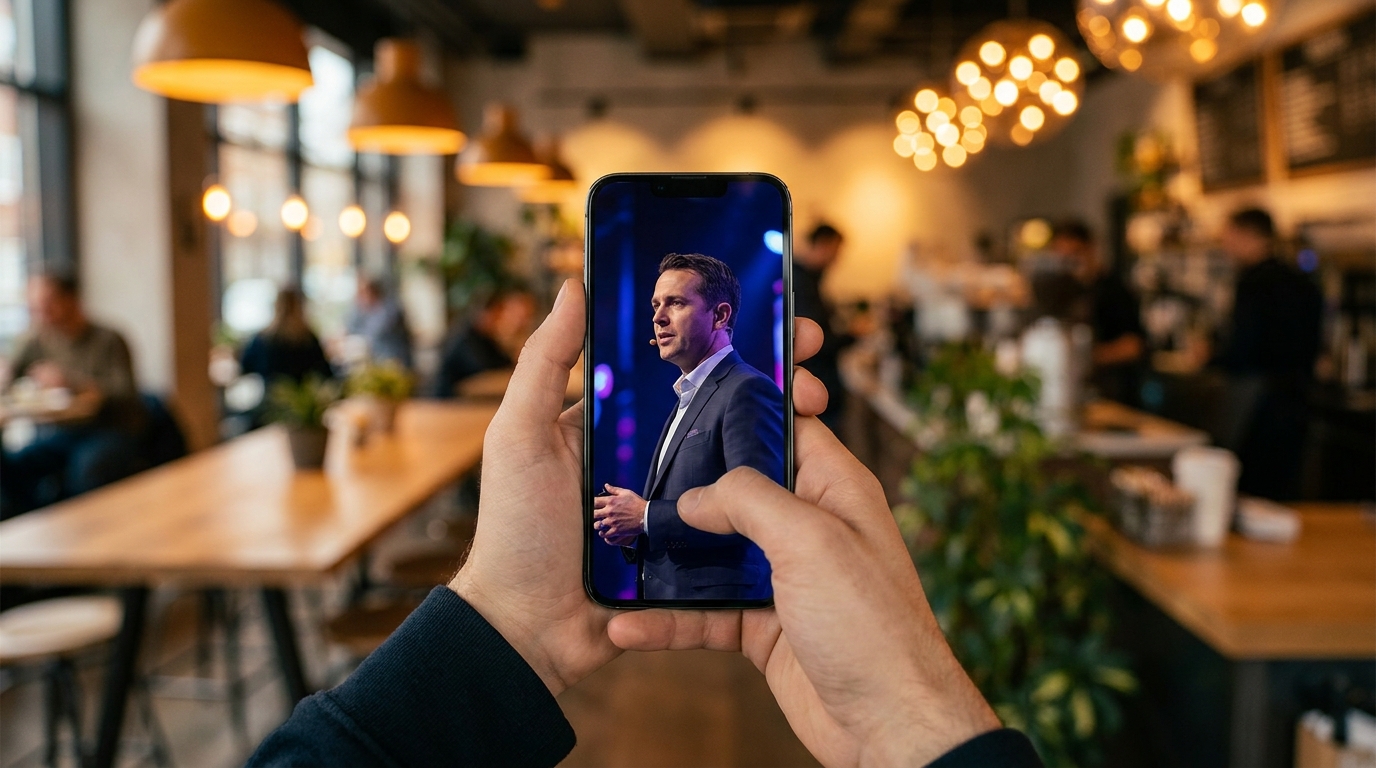
What the Platform Data Actually Says
Every platform rewards a different length, and the gaps are wider than most marketing teams assume. So stop cutting one clip for everywhere.
On LinkedIn, which matters most for B2B events, 60 to 90 seconds gives you room to state a problem, sharpen it, then offer an answer. Shorter clips land, yet they rarely persuade a buyer. However, there is a twist worth knowing. LinkedIn carousels currently pull a median engagement rate of 21.77 percent, roughly 196 percent more than video on the same platform. So pair your clips with quote carousels rather than betting everything on video.
On Instagram Reels, the 2026 sweet spot sits at 45 to 60 seconds. That band pulls both the highest engagement and roughly double the median views of clips under 30 seconds, per Moonb data analysis. On TikTok, the opposite applies. Clips of 7 to 15 seconds hit hardest. Then YouTube Shorts sits between them, at 30 to 60 seconds, because that audience expects a little more depth.
The 90-Minute Session Is Eight Assets
Uploading a full session recording and calling it on-demand content wastes the material. Instead, treat each session as raw stock for a set of finished pieces. Industry guidance now points to eight or more distinct assets from a single 90-minute session.
In practice, the split we build for clients looks like this:
- The full session, chaptered, for the people who genuinely want all of it
- A 3 to 5 minute edit carrying the argument
- Two or three 60 to 90 second LinkedIn cuts, one per idea
- Three or four 15 to 30 second vertical clips for Reels and TikTok
- A quote carousel built from the transcript
- An email nurture cut, usually under 60 seconds
Chaptering matters more than people expect. Chapter-marked segments beat single long files on completion, because viewers can find the bit they came for. Also, chapter titles feed search engines and AI answer tools, which read structure before they read video.
Captions Are Not Optional Any More
Two figures settle this argument. First, captions raise completion by 80 percent. Second, properly formatted captions earn 40 to 60 percent higher average watch time than auto-captions left unchecked. That gap is the whole point. Auto-captions are a starting draft, not a deliverable.
So build captions into the workflow, not the wish list. Burn them in for social, where players strip sidecar files. Then supply an SRT alongside the on-demand version, because platforms index those files and viewers can switch them off. Also fix the names. Nothing undermines a clip faster than your CEO’s surname spelled three different ways. Our AI subtitling guide covers glossary preparation in detail.

Shooting for 9:16 Without Ruining 16:9
Vertical cuts fail when nobody planned for them. A speaker framed tight in 16:9 loses their head in a 9:16 crop. So agree the safe zones before the show, then frame with both in mind.
Three practical habits fix most of it. First, leave headroom on your tight shots, because vertical crops eat the top and bottom. Second, keep lower-third graphics inside the centre third, or they vanish in the crop. Third, shoot some genuinely vertical material on the day, especially arrivals, reactions and short interviews. AI reframing tools handle the rest well now, yet they cannot invent a shot nobody took.
Speed Beats Polish
The industry norm for full session delivery still runs two to three weeks. That timeline exists for good reasons, including multi-track sync and colour work. However, it is the wrong clock for social. Attention around an event decays within days, so a perfect clip in week three reaches almost nobody.
Therefore split the schedule. Ship the first vertical clips the same day, straight from an editor working on site. Then follow with session videos inside a week, and the polished highlight film after that. This is exactly why we organise ISO recordings for the edit as they are captured, rather than wrangling them afterwards. Our recording packages guide sets out that handoff standard.
What This Costs to Build In
Against that, commissioning the same outputs cold, weeks later, usually costs more and lands later. Our UK rates guide breaks down the underlying day rates, while the content engine guide covers the wider pipeline.
Frequently Asked Questions
How long should event video clips be in 2026?
It depends on the platform. LinkedIn works best at 60 to 90 seconds. Instagram Reels favours 45 to 60. TikTok rewards 7 to 15. YouTube Shorts sits at 30 to 60.
How many clips should one conference produce?
Plan eight or more assets per 90-minute session. Across a one-day conference, that usually means 15 to 30 usable clips plus the session videos.
Do captions really improve performance?
Yes, sharply. Captions lift completion by around 80 percent. Also, hand-checked captions beat raw auto-captions by 40 to 60 percent on watch time.
Can vertical clips come from normal event footage?
Often, yes, provided the framing left room. So agree safe zones before the event. Otherwise, plan some genuinely vertical capture on the day.
Build the Clips Into the Live Workflow
We plan clip packages alongside the camera plan, then deliver the first cuts before the room empties. So tell us about your next event, or see how the wider pipeline works in our content engine guide.
