

XR stages and virtual production have arrived at corporate events. In short, LED volumes now put presenters inside photoreal environments. Camera tracking moves the background in true perspective. As a result, the technology behind big-budget television now launches products and opens conferences. Indeed, 2026 is the year it stopped being exotic, according to current AV trend analyses. So here is what XR involves, what it costs, and when it beats a set or green screen.
What an XR Stage Is
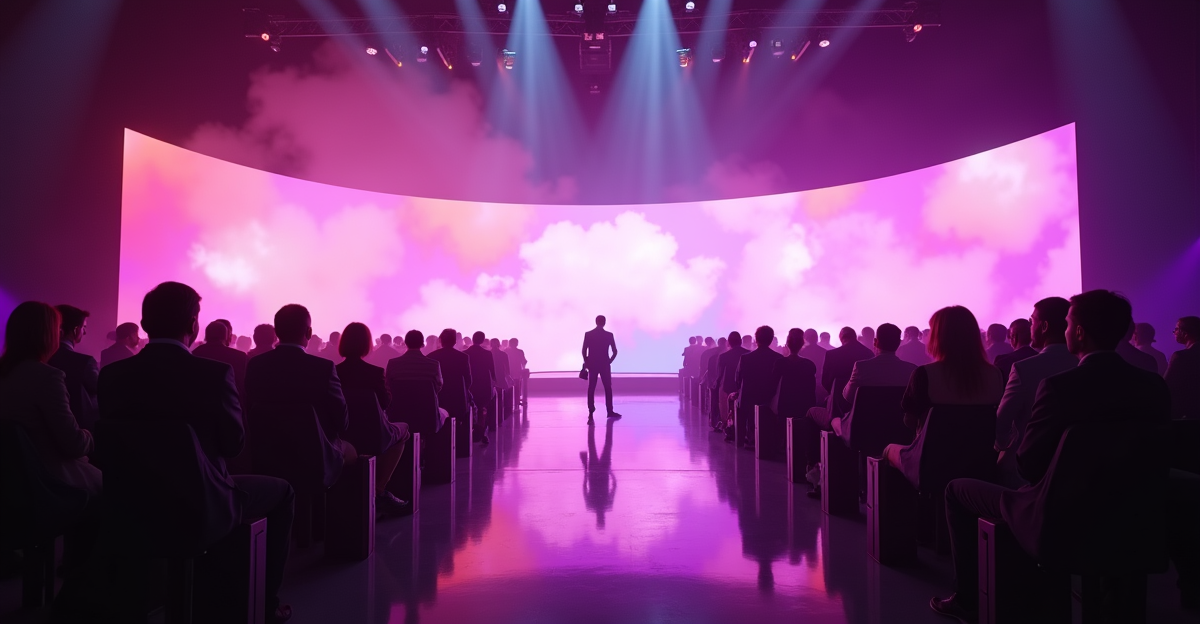
Picture a floor-to-ceiling LED volume, often curved. Behind it, a real-time render engine feeds the screens. Then camera tracking shifts the displayed world as cameras move. Meanwhile, the presenter stands in light the environment itself casts. Reflections are real. That is why XR reads as presence, while green screen reads as weather forecast.
What XR Does Better
First, impossible venues: launch the product on a glacier, without flights. Next, instant scene changes: one stage, unlimited looks, no overnight changeover. Also, presenters perform better when they see the world they are in. Finally, remote audiences win most. On the stream, the XR frame looks like location. That matters for the hybrid formats where the camera is the primary audience.
The Honest Constraints
XR looks effortless on a showreel, yet it carries real limits. Content is the first. Photoreal environments get designed and optimised for a specific pixel map, so they cannot simply be downloaded and dropped in. Budget design time alongside the volume itself.
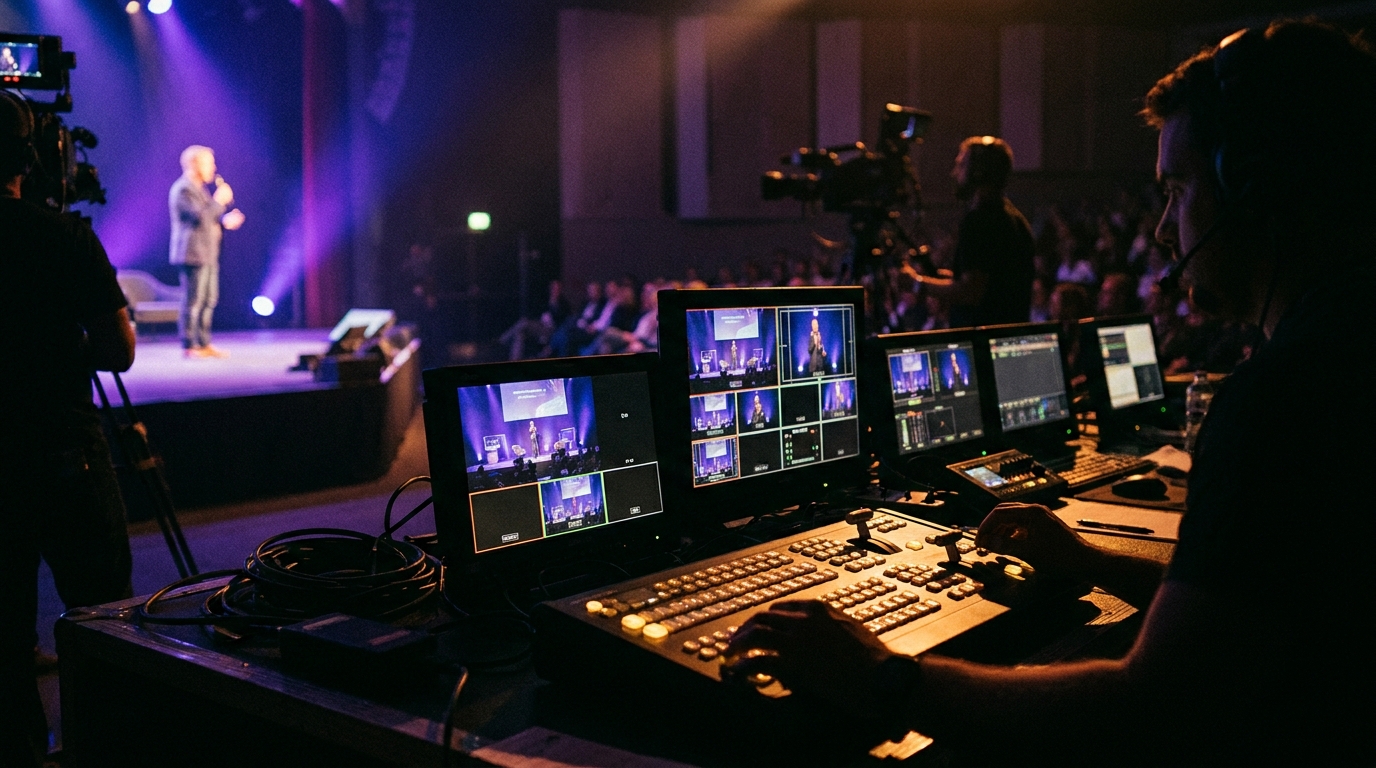
Camera work is the second. Moiré between sensor and LED needs crews who know the discipline, and camera counts stay limited by the tracking system. Rehearsal matters more than on a conventional stage, because the render, the tracking and the show cues all have to agree.
So for many events, a designed LED backdrop delivers most of the impact with far less complexity. Our creative LED guide covers that route. In short, XR earns its place when the environment is genuinely the message.
XR, LED Backdrop, or Physical Set?
Choose XR for flagship launches, broadcast-led keynotes and multi-look shows. Choose a designed LED backdrop for most conferences, since it delivers impact at a fraction of the cost. Choose a physical set for intimate formats where touchable texture matters. Either way, decide audience-first, per the experience-led thinking in the AV Trends Review 2026.
Frequently Asked Questions
Is XR the same as green screen?
No. Green screen composites later, with no interactive light. Instead, XR renders the world live around the presenter.
Does XR work for a live room audience?
Yes, and well. The room sees a stunning LED environment. Meanwhile, the cameras see a complete world.
What drives an XR budget?
Three things: volume size, content build and shoot days. Content design is the line most people underestimate, since every environment gets built for your specific screen.
Put Your Keynote Somewhere Impossible
We produce the broadcast layer for XR and LED-stage events, with partners who build the volumes. So talk to us.
